Understanding the Lifespan of Common Urban Trees Mar 13, 2026
When considering tree planting or maintenance, one of the key aspects to understand is the intrinsic lifespan of different tree species. Some trees are short-lived, while others can thrive for centuries if conditions allow. Factors such as environmental stress, soil quality, water availability, and local climate all significantly impact how long a tree might live in an urban setting.
Short-lived species are typically those that grow quickly and reach maturity faster. For instance, the silver maple can grow rapidly, often seen in urban areas due to its quick canopy formation. However, it typically has a lifespan of about 30 to 50 years. Similarly, willow trees are beloved for their graceful form and shade, but they generally only live between 30 to 50 years.
Moderately long-lived trees, like the American sycamore, provide substantial environmental and aesthetic benefits while typically living between 50 to 200 years. Sycamores are known for their resilience to urban pollution and are often planted along streets. Their robust nature makes them a preferred choice for those looking for a middle-ground between longevity and rapid growth.
For those interested in planting trees with potentially higher life expectancies, oaks and lindens are excellent choices. Oaks are iconic for their strength and longevity, with some varieties living for over 200 years. They have deep root systems, making them more tolerant of urban environmental stressors. Similarly, linden trees can live up to 150 years and are appreciated for their scented flowers and heart-shaped leaves. Their adaptability to different soil types and urban pollution also make them favorable choices.
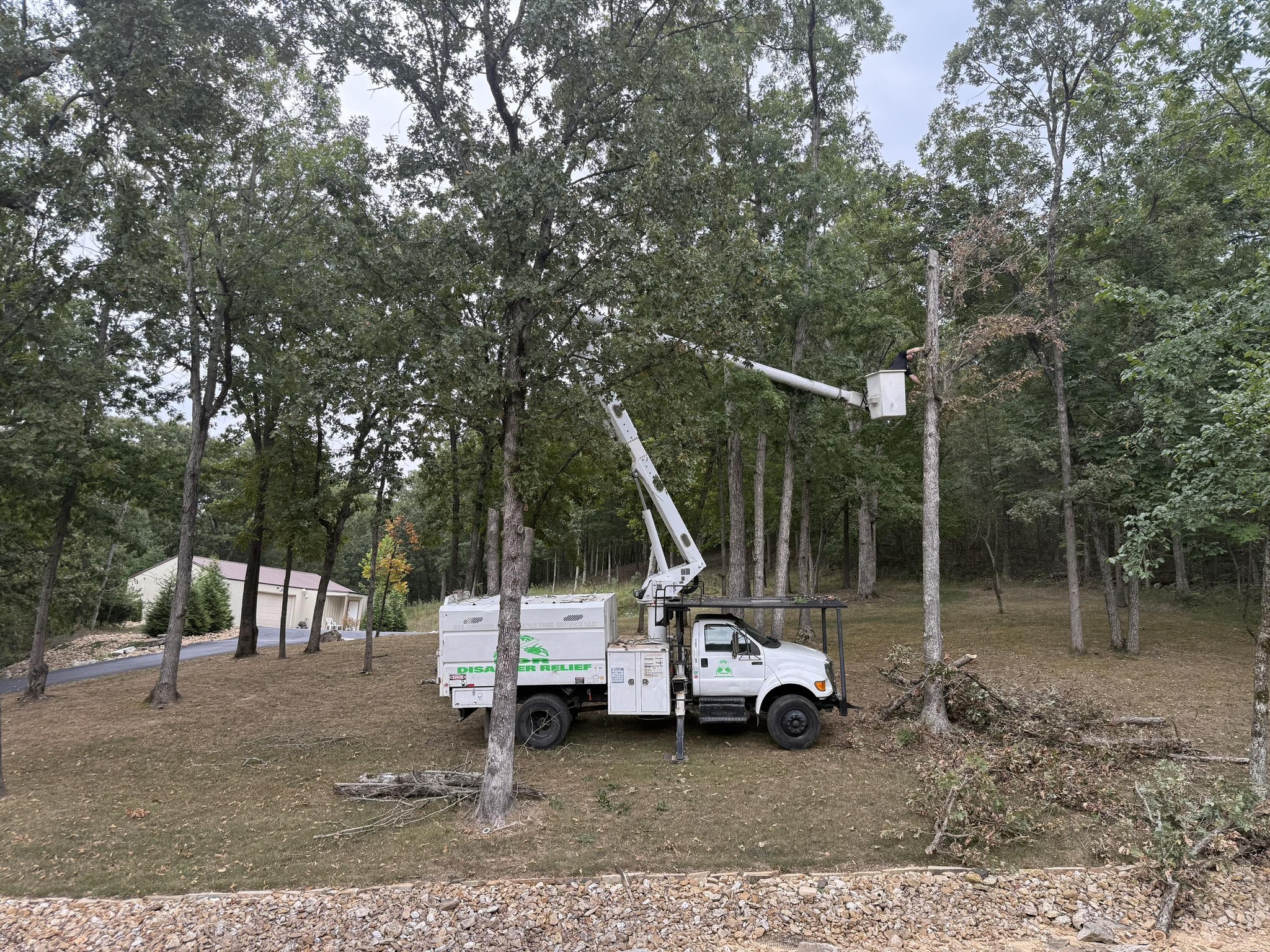
Maintenance plays a critical role in maximizing the lifespan of urban trees, regardless of species. Regular tree care services, such as those provided by Lightning Tree Service, can ensure trees remain healthy and free from disease. Proper pruning, pest management, and soil enrichment are essential practices to extend the life of your trees, allowing them to thrive and beautify their surroundings for as long as possible.
Understanding the typical lifespan of urban trees assists in planning for future urban landscapes. It is not only about selecting trees for an immediate aesthetic appeal but also involves considerations for long-term sustainability and adaptability to changing environments. While the natural lifespan of a tree species is important, so too is the care provided to them over their lifetimes.
At Lightning Tree Service, we encourage you to consider not only the type of tree you plant but also the care you commit to providing. Whether you’re seeking to plant quick-growing species for immediate impact or planning for the far future with long-lived giants, understanding the potential and needs of your trees will ensure a thriving urban forest.
In conclusion, trees are more than just passive elements of the urban ecosystem; they are active contributors to the environment. By understanding their lifespans and how to care for them, you contribute to a healthier, more sustainable urban landscape.
/filters:no_upscale()/filters:format(webp)/media/1065f1af-617c-4e86-bc84-e6954bd66c73.jpeg)
/filters:no_upscale()/filters:format(webp)/media/db453c97-ee88-4234-a43e-b688c52623c5.jpeg)