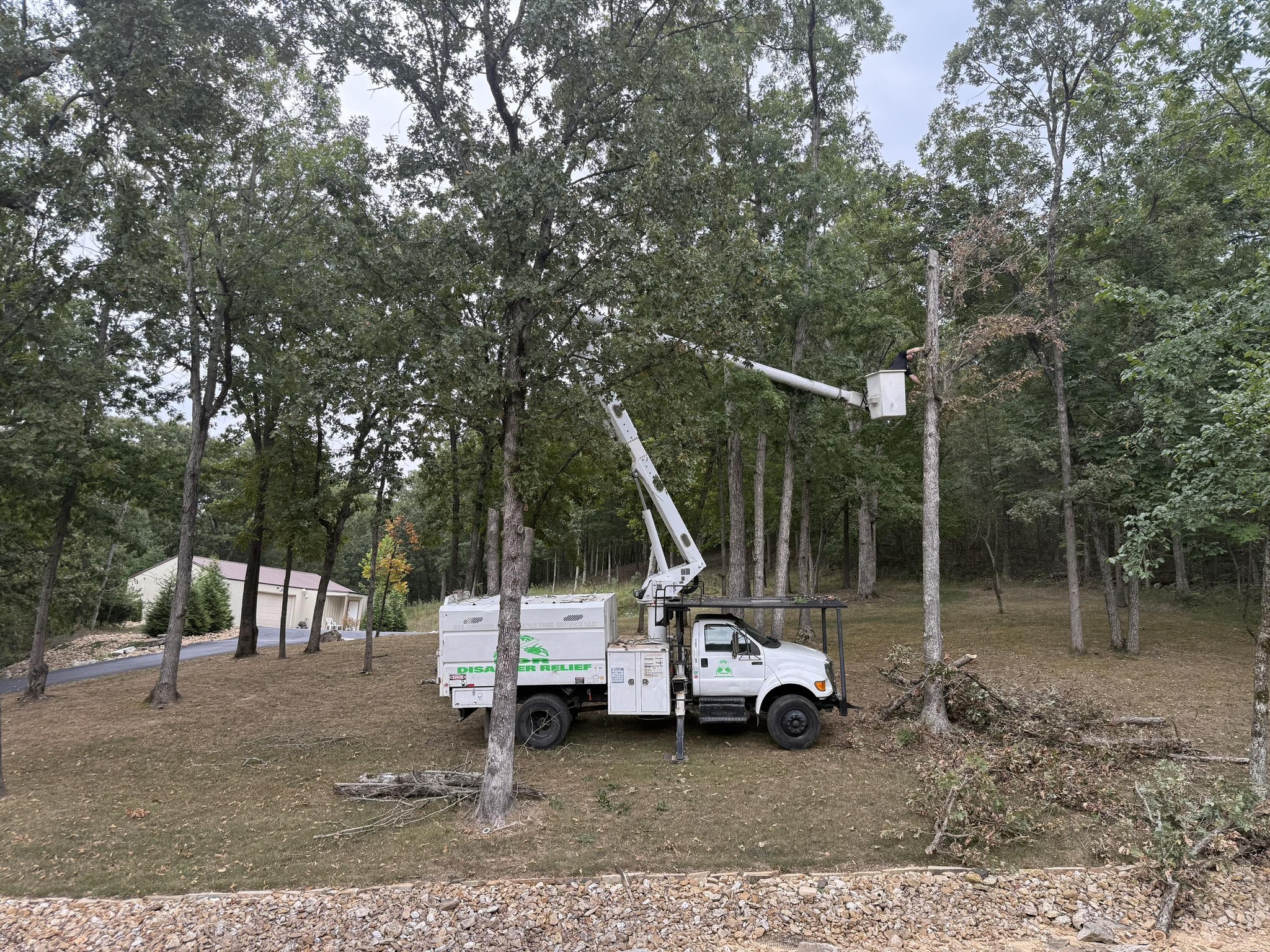
Navigating Tree Permits and Regulations: A Homeowner's Guide to Compliance Jun 11, 2026
To start, you must recognize that tree ordinances vary significantly depending on your location. Local governments, whether at the city or county level, typically have stringent rules governing which trees can be modified and under what circumstances. This is done to protect not only your neighborhood's environment but also to maintain ecological stability. Homeowners need to know that failing to comply with these regulations can result in hefty fines or legal action.
The first step for any tree-related project is to research your local regulations. Checking with your city or county government's website can provide a wealth of information. Most municipalities offer guides or resources on tree ordinances, detailing the types of trees protected under local laws and the specifics of what those protections entail. At Lightning Tree Service, we suggest reaching out to professionals familiar with your area's requirements, sometimes even arranging a consultation with them.
Once you have a grasp of the regulations, the next step involves acquiring the necessary permits. Typically, a tree permit might be needed for any tree removal, pruning of a certain degree, or planting that involves significant size trees. The application process generally requires submitting details such as the tree's species, size, and condition. Here, Lightning Tree Service can offer invaluable assistance. We streamline the whole process, handling much of the paperwork required, and ensuring you don't miss any critical details that could delay your project.
Understanding why specific regulations are in place can be highly beneficial. Trees are often protected for environmental reasons; they aid in carbon capture, prevent soil erosion, and provide habitats for wildlife. Additionally, historic or significant trees may be preserved due to their cultural or aesthetic value. Being aware of these factors not only helps you comply with the law but also fosters a deeper appreciation and responsibility towards your local environment.
If your tree project involves changes to a significant number of trees or a larger area, it may require a more comprehensive environmental impact assessment. This might involve consulting with an arborist to ensure that the proposed actions won't negatively impact the ecosystem. For large-scale projects or gray areas, involving experts like those at Lightning Tree Service can ensure the necessary evaluations and approvals are obtained swiftly and correctly.
Finally, remember that ongoing compliance is crucial. Changes in local laws, new developments in environmental policies, or updates in neighborhood guidelines could affect future tree management efforts. Stay informed through local community boards or your tree service's updates. Continuous communication with tree specialists can keep you ahead of potential legal issues down the line.
In conclusion, navigating tree permits and regulations might seem daunting at first, but with the right guidance and knowledge, maintaining compliance is achievable. By partnering with experts who know the intricacies of your local laws, such as Lightning Tree Service, you can ensure your trees contribute beautifully to your home’s landscape while adhering to the necessary legal framework. Not only does this safeguard your investment, but it also supports a healthy, vibrant natural environment in your community.
/filters:no_upscale()/filters:format(webp)/media/1065f1af-617c-4e86-bc84-e6954bd66c73.jpeg)
/filters:no_upscale()/filters:format(webp)/media/db453c97-ee88-4234-a43e-b688c52623c5.jpeg)