Enhancing Wildlife Habitat: Tree Care and Conservation Strategies Apr 06, 2026
Trees provide critical resources for a diverse range of wildlife. From nesting birds to burrowing mammals, trees offer shelter, food, and a breeding ground for many species. However, simply letting trees age naturally is not always the best option for maintaining a healthy habitat. Strategic tree care can help balance the needs of the trees with those of the wildlife they support. It starts with understanding the ecological role of trees and tailoring conservation efforts accordingly.
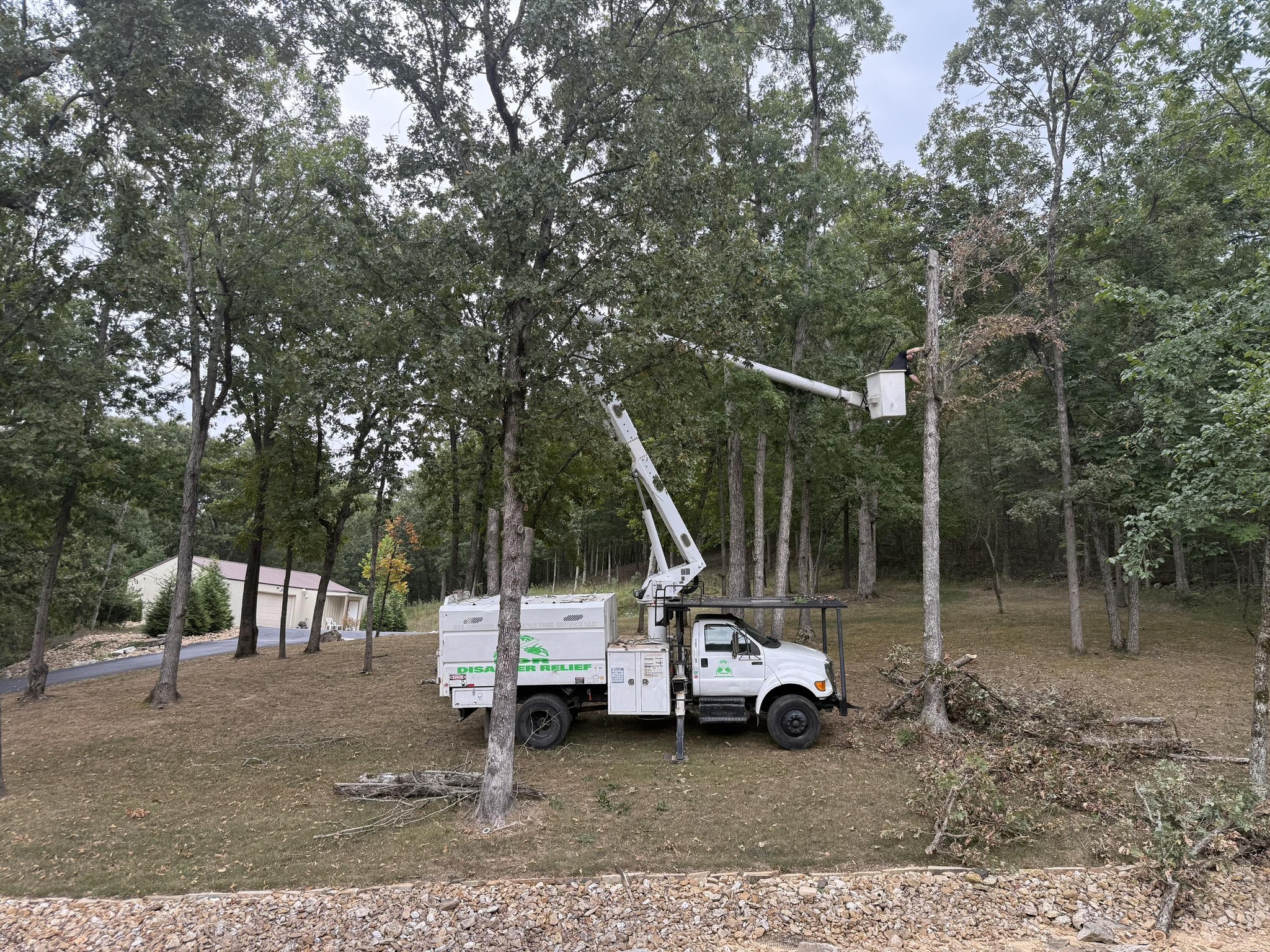
One of the key strategies is the proper pruning and trimming of trees. Thoughtful pruning not only ensures the health and longevity of the trees but also enhances their ability to support wildlife. By creating a balance in the tree canopy, you can increase sunlight and air circulation, promoting a healthier undergrowth. This undergrowth can invite a greater variety of species to populate your landscape. Furthermore, pruning dead or diseased branches reduces the likelihood of pests that may harm other wildlife.
Retention of snags, which are standing dead or dying trees, is another important conservation practice. While they might not appeal aesthetically to every homeowner, snags are invaluable in providing nesting sites for birds such as woodpeckers and owls. Additionally, these trees often host a plethora of insects, which are a critical food source for various animals. If a completely dead tree poses a hazard, partial retention by removing only the sections that are dangerous can still offer significant wildlife benefits.
Ground covers and mulching also play an essential role in wildlife habitat enhancement. Organic mulches can maintain soil moisture and temperature, encouraging the growth of grasses and flowers that attract pollinators and other beneficial insects. Additionally, the natural decomposition of mulch contributes to soil health, providing nutrients that support the entire plant and wildlife community.
Tree selection is another crucial aspect of creating and enhancing wildlife habitats. Opting for native tree species when planting can make a significant difference. Native trees are well adapted to the climate and soils of the area, providing the right resources for local wildlife. They support a greater abundance of insects and birds, leading to a more balanced and resilient ecosystem.
As you work to enhance wildlife habitat on your property, remember that conservation benefits not only the trees and wildlife but also the broader environment. By following responsible and informed tree care practices, you ensure the preservation of biodiversity while enjoying the shade, beauty, and tranquility of a healthy landscape.
In conclusion, enhancing wildlife habitat through strategic tree care is a dynamic and impactful way to contribute to conservation efforts. By partnering with experts like Lightning Tree Service, you can promote sustainable living not just for trees and plants, but for every creature that depends on them. Implement these strategies and watch your property flourish with vibrant life, creating a harmonious environment for humans and nature alike.
/filters:no_upscale()/filters:format(webp)/media/1065f1af-617c-4e86-bc84-e6954bd66c73.jpeg)
/filters:no_upscale()/filters:format(webp)/media/db453c97-ee88-4234-a43e-b688c52623c5.jpeg)