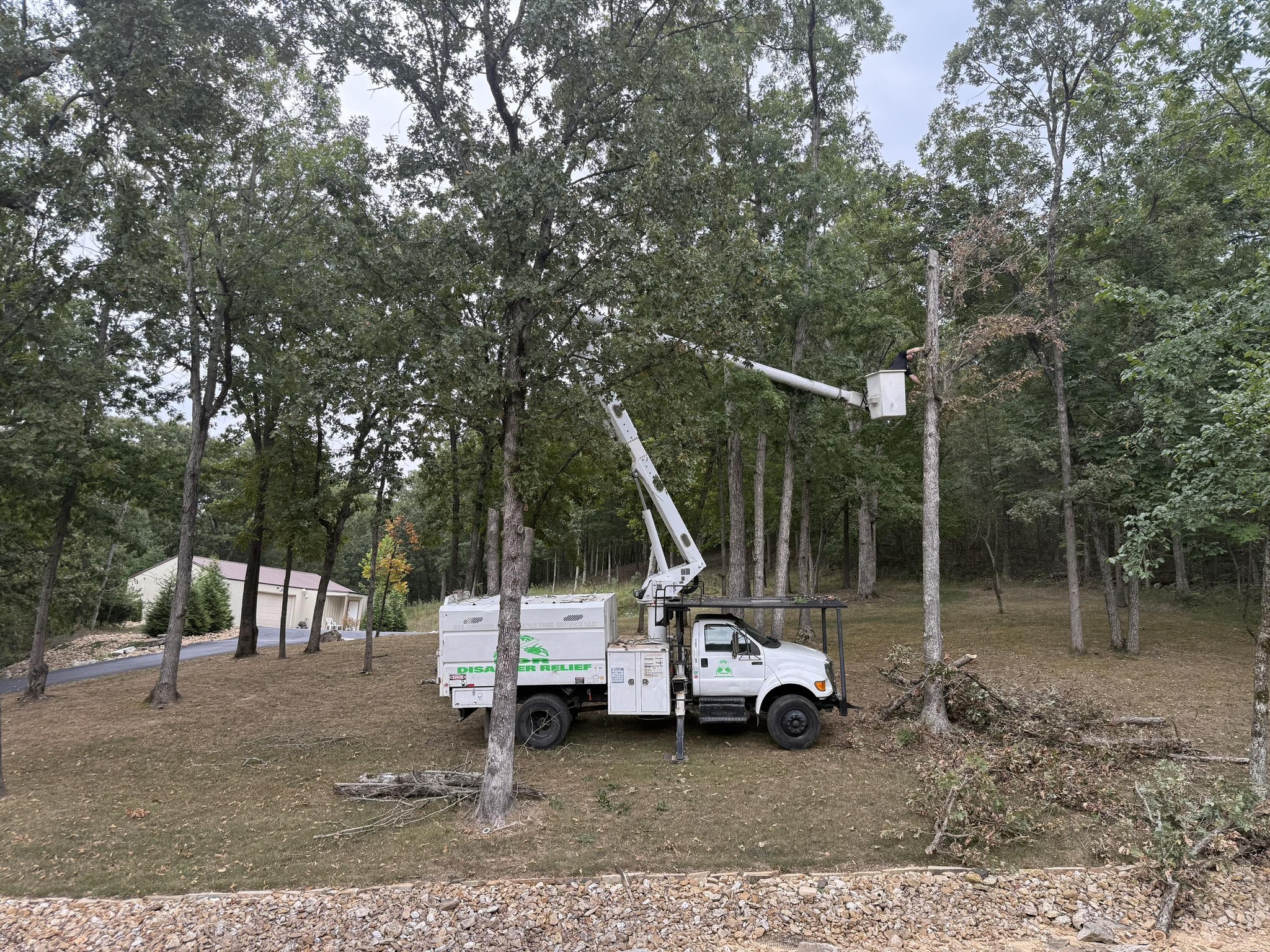
Adapting Tree Care Practices for Climate Change Challenges Jun 03, 2026
Tree health is directly tied to climatic conditions, and as these conditions shift, so must our approach to tree care. Rising temperatures can lead to increased stress on trees, making them more susceptible to pests and diseases. For instance, warmer winters may result in higher populations of insects that can damage or kill trees. To combat this, adopting proactive pest management strategies is essential. Regular inspections by professional tree services can help identify and manage infestations before they become severe.
Additionally, changing precipitation patterns pose another challenge. Trees accustomed to certain rainfall levels may struggle in altered conditions. Prolonged droughts or sudden heavy rains can disrupt root systems and hinder nutrient absorption. To mitigate these effects, implementing soil management techniques such as mulching and proper irrigation can maintain soil moisture balance. Ensuring that trees receive adequate water during dry spells will support root health and overall growth.
Diverse tree species can respond differently to climate change, making it essential to choose the right species for your specific local environment. Native species generally exhibit better resilience to local climate extremes and pests. Whether you are planting new trees or managing existing ones, consulting with experts from services like Lightning Tree Service can guide you in selecting tree species with the best chances to thrive in the changing climate.
Tree pruning and trimming, traditionally core elements of tree care, also need adaptation. In a changing climate, these practices help improve air circulation and sunlight penetration, reducing the risk of disease and promoting healthier growth. However, timing is crucial; performing these activities during stress periods, like extreme heat, can harm trees rather than help them. Professional services can ensure that pruning is done at optimal times to minimize stress.
Sustainable tree care practices not only protect trees but also contribute to reducing climate change impacts. Trees are natural carbon sinks, capturing and storing carbon dioxide from the atmosphere. Promoting tree health through proactive care amplifies this benefit. Encouraging urban forestry and planting additional trees can enhance carbon sequestration and provide shade, mitigating urban heat island effects.
Finally, education and awareness about the implications of climate change on tree care play a vital role. Property owners can benefit significantly from staying informed about emerging tree management techniques and environmental practices. Workshops, webinars, or consultations offered by tree care companies can empower individuals to make informed decisions about their trees.
In conclusion, adapting our tree care practices is an imperative response to the challenges posed by climate change. By integrating strategies such as proactive pest management, tailored watering, selecting resilient species, and timing maintenance activities, we can shield our trees from the adverse effects of a warming world. With the expertise of Lightning Tree Service, homeowners can ensure their trees not only survive but thrive amid these environmental changes. Taking action today paves the way for a greener, healthier tomorrow.
/filters:no_upscale()/filters:format(webp)/media/1065f1af-617c-4e86-bc84-e6954bd66c73.jpeg)
/filters:no_upscale()/filters:format(webp)/media/db453c97-ee88-4234-a43e-b688c52623c5.jpeg)